What Luxury Clients Really Want From an Interior Designer, Fifteen Years, One Truth
By Wesam Azar · WA Interior Design
The first time a client walked into a space I had designed for them and went completely silent, I panicked. A full residence — months of work, custom millwork, hand-selected stone, furniture sourced from three continents. Silence. And then: a long exhale, and a single sentence. "It feels like me."
That moment stayed with me more than any award, any publication feature, any client who gasped at a chandelier or praised the palette. Because it clarified something I had been slowly learning for years without fully articulating it: luxury clients are not paying for beautiful rooms. They are paying to feel recognized.
The Great Misconception About High-End Design
There is a persistent myth in our industry — perpetuated by shelter magazines, by Instagram grids, by the way we photograph and caption our work — that luxury interior design is fundamentally about objects. The right marble. The correct sofa. The impeccable finish.
And yes, those things matter. Material quality, craftsmanship, and spatial intelligence are non-negotiable at this level of practice. But after fifteen years working with high-net-worth clients across residential and hospitality projects, I can tell you with certainty: the clients who refer others, who return for second and third projects, who write the letters and make the calls — they are not talking about the travertine. They are talking about how the process felt. About whether they were truly heard.
What the Most Discerning Clients Actually Ask For
Early in my career, I took every brief at face value. A client says they want a "clean, modern aesthetic," you deliver clean and modern. Simple enough. What I didn't yet understand was that a brief is not a specification — it is an opening. It is the first sentence of a much longer conversation about who someone is, how they move through space, what kind of silence they need at the end of a day, and what they want their home to say about them when they are not in the room.
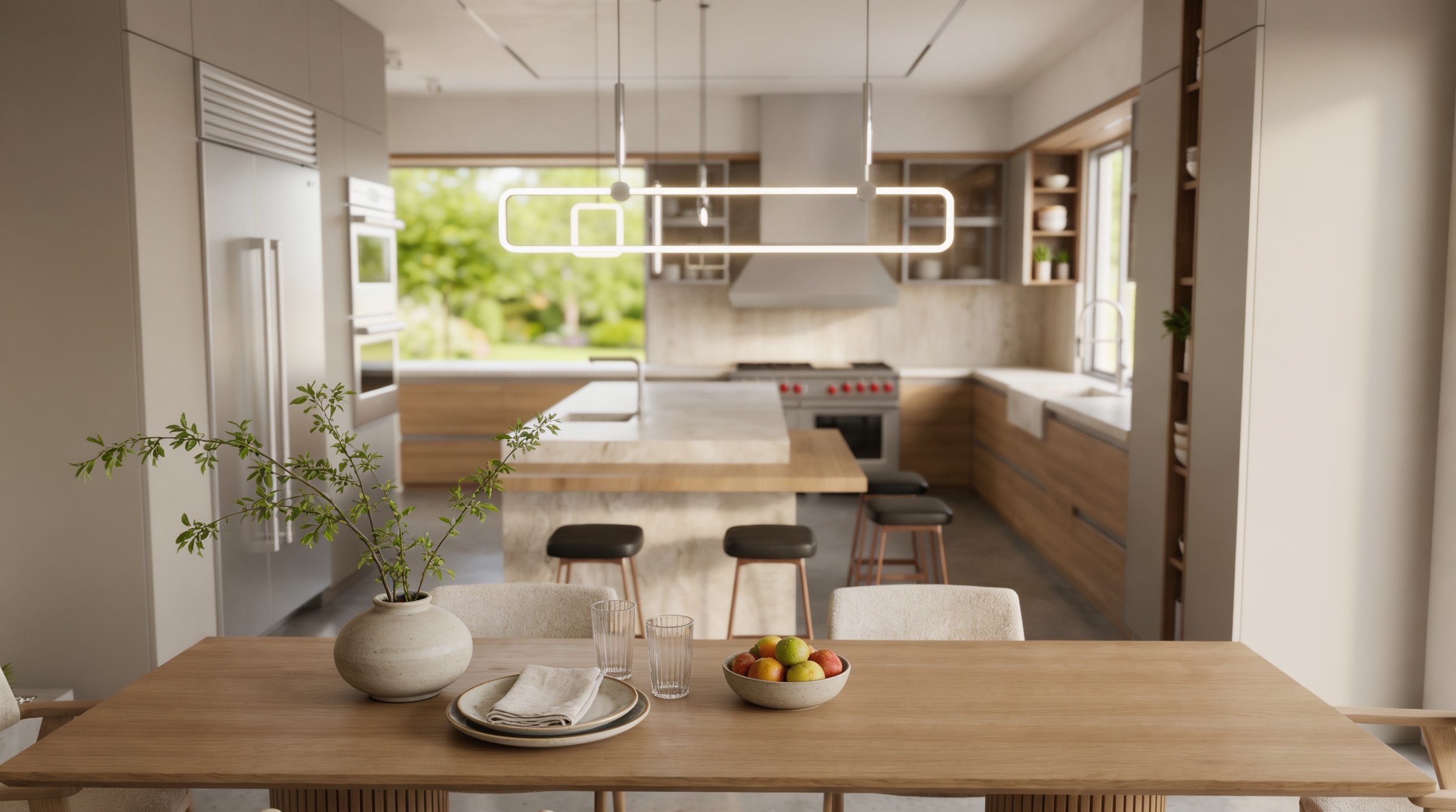
Luxury clients — particularly those who have worked with multiple designers, who have lived in multiple extraordinary spaces — come to a new relationship having already survived beautiful rooms that felt wrong. They have already owned the objectively perfect sofa. They have already had the stunning kitchen that no one lingered in. They are, in the best possible way, sophisticated enough to know the difference between a designer who executes and a designer who understands.
What they want, at its core, is the latter.
"Luxury clients are not paying for beautiful rooms. They are paying to feel recognized — and that begins long before a single piece of furniture is selected."
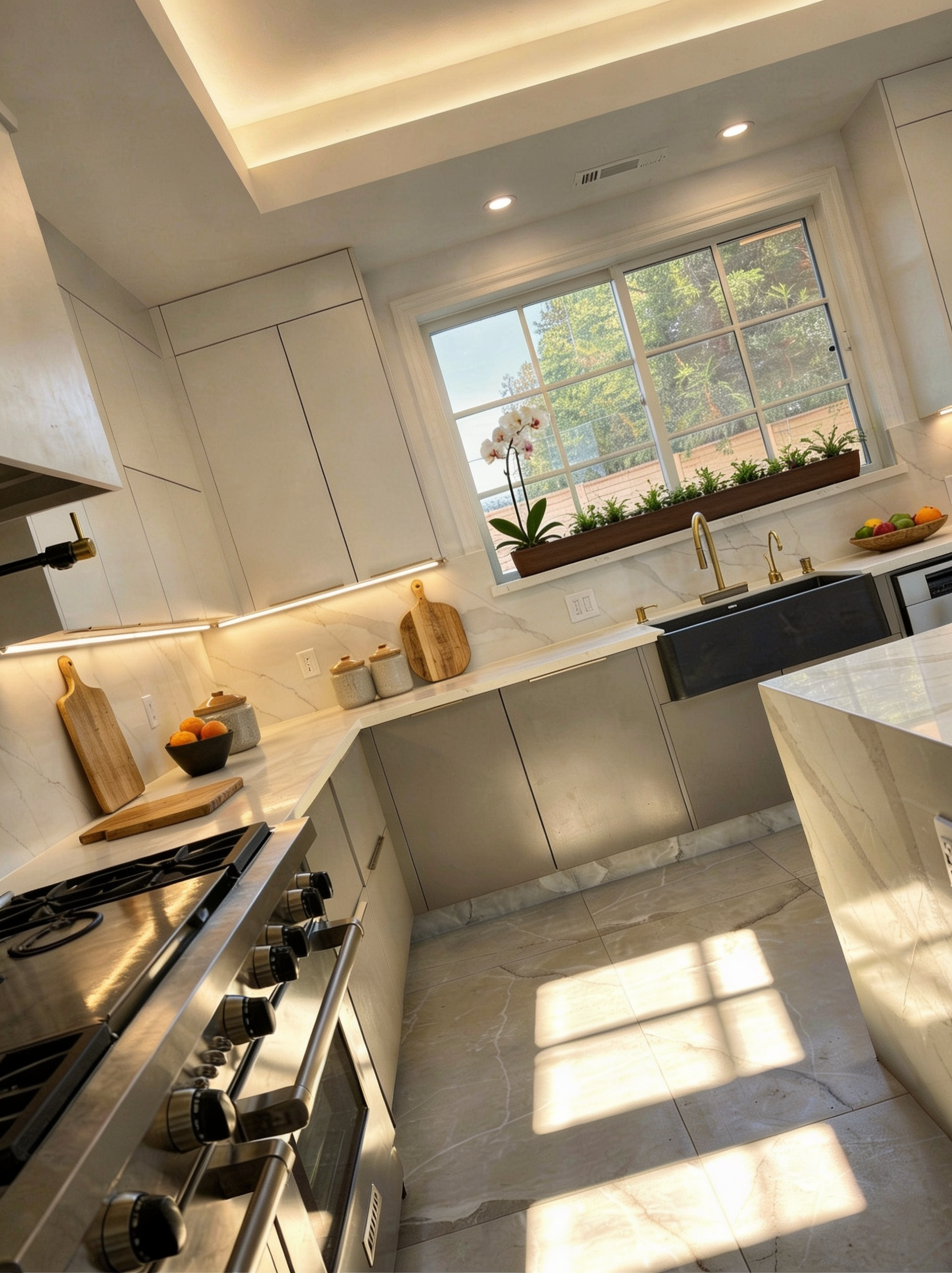
The Invisible Work Is the Most Important Work
I often describe my process to prospective clients as an exercise in archaeology. Before I specify a single material or sketch a single layout, I spend significant time excavating: How do you actually live, as opposed to how you think you live? Where do you find yourself sitting when the house is quiet? What spaces have made you feel at home before — not in photographs, but in memory?
This is not navel-gazing. It is the most strategic thing I do. Because a room that is calibrated to how someone truly inhabits space — not how they imagine they should inhabit it — is a room that will never feel wrong, even ten years later. That is the longevity that justifies the investment.
What surprises many new clients is that this depth of inquiry is itself a luxury. In a world of fast decisions and pre-packaged aesthetics, being asked to slow down and articulate what you actually want — and having someone listen carefully enough to translate it into stone and light and proportion — is increasingly rare. And increasingly valuable.
Privacy, Trust, and the Weight of Access
There is another dimension to high-end residential design that does not appear in mood boards: the intimacy of access. To design someone's home is to understand how their mornings begin, where they retreat when they need to think, which rooms their children will remember decades from now. It is a level of trust that most professional relationships never approach.
The clients I have worked with longest — the ones who become, in the most professional sense, true collaborators — are those who sensed from our earliest conversations that I understood this. That I held their private life carefully. That I was not designing a room for a portfolio; I was designing a life for a person.
Discretion, in this context, is not merely ethical — it is central to the design. When a client trusts that their space will never appear without their explicit consent, that their brief is never shared as a case study in casual conversation, that their name is not currency — the creative relationship deepens. And that depth shows in the work.
What Fifteen Years Has Taught Me
If I were to distill the most important lesson of fifteen years working at the intersection of luxury, hospitality, and residential design, it would be this: the most powerful thing a designer can offer is not taste. It is translation.
Translation of who a person is — their histories, their habits, their aspirations — into physical space. Translation of the ineffable (the feeling of warmth, the sense of arrival, the quality of quiet) into material decisions that will outlast trends, outlast the moment, and become, over time, simply part of how that person understands themselves at home.
Clients who have found that — who have experienced the rare alignment of a designer who truly listened — do not wonder whether the investment was worth it. They already know the answer, in every room they enter.
If you are beginning to imagine a space that feels truly, distinctly yours — not a showroom, not a trend, but a genuine reflection of how you live and who you are — I would love to hear about your project. WA Interior Design works with a select number of residential and hospitality clients each year in San Francisco and beyond. Reach out to begin the conversation.